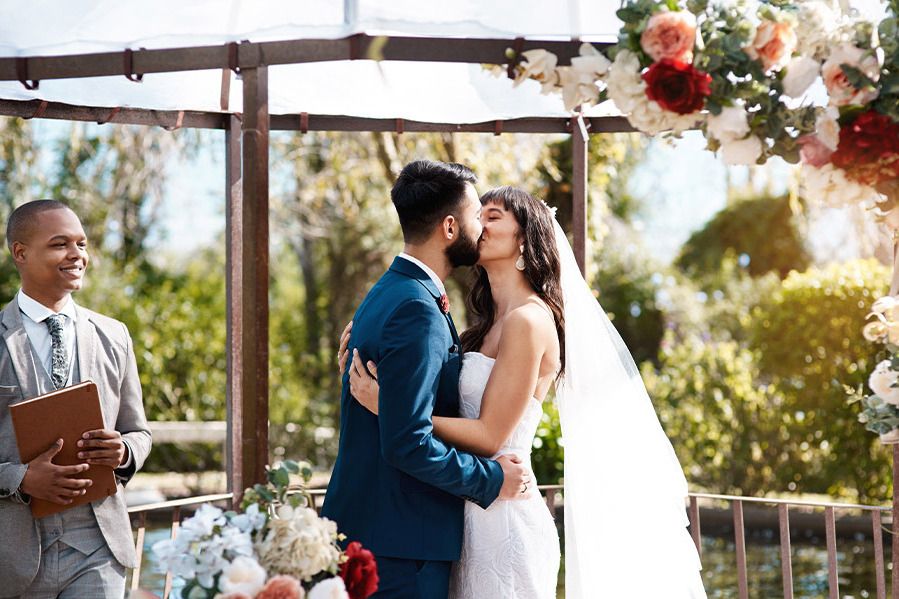
Ordained ministers have long been entrusted with the spiritual and ceremonial responsibilities of leading religious rites, such as baptisms, funerals, and particularly weddings. In many countries, ordination not only grants ministers the authority to carry out these religious functions but also confers legal status, allowing them to officiate at weddings that are legally recognized by the state. However, the legality of performing weddings and other ceremonies as an ordained minister can be complex, depending on jurisdictional laws, the method of ordination, and the specific requirements imposed by local governments.
In this article, we will explore the legal landscape surrounding ordained ministers’ ability to officiate weddings and other ceremonies, highlighting the distinctions between religious and legal authority, the implications of online ordination, and the key requirements ministers must meet to perform legally recognized ceremonies.
1. Religious vs. Legal Authority
The role of an ordained minister often carries both religious and legal dimensions. In many religious traditions, ordination is a process by which individuals are consecrated or set apart for ministry. It signifies their readiness and calling to perform spiritual duties such as leading worship, providing pastoral care, and conducting ceremonies like weddings and baptisms. Religious institutions have their own criteria for ordination, often based on theological training, spiritual discernment, and adherence to the tenets of the faith.
However, when it comes to weddings, religious authority alone is not always sufficient for a minister to officiate a legally recognized marriage. While religious communities may recognize the authority of their ministers to perform weddings, the state has its own set of legal standards that must be met for a wedding to be considered legally binding. The legality of a marriage often depends on the laws of the specific country, state, or region, which may outline who is authorized to perform weddings and what requirements must be followed.
In most countries, the state recognizes religious officials, including ordained ministers, as legally authorized to solemnize marriages, meaning they have the power to make a marriage legally binding in the eyes of the law. However, this legal authority is not automatically granted with ordination; it is subject to local laws and regulations.
2. Online Ordination and Legal Recognition
In recent years, online ordination has become a popular and accessible way for individuals to become ordained and perform weddings. Organizations such as the Universal Life Church (ULC) offer ordination services that can be completed online, often within minutes. These online ordination platforms have allowed many people to officiate weddings, especially for friends and family members, without going through a traditional religious institution or seminary.
However, the legal recognition of online ordination varies widely depending on the jurisdiction. In the United States, for example, the legal landscape is a patchwork of state and local laws, with some states fully recognizing weddings performed by ministers ordained online, while one state, Virginia, currently has some laws that prevent ULC ministers from fully exercising their rights.
States That Recognize Online Ordination
In many states, such as California, New York, and Texas, ministers who are ordained online are legally authorized to officiate weddings. These states do not differentiate between ministers who are ordained through traditional religious institutions and those ordained through online platforms. As long as the officiant is recognized as an ordained minister, they are legally permitted to perform weddings.
In these jurisdictions, individuals who wish to officiate a wedding simply need to provide proof of their ordination, such as an ordination certificate, when they file the marriage license with the local county clerk’s office. The process is straightforward, and online-ordained ministers have the same legal standing as those ordained through traditional means.
States That Restrict or Do Not Recognize Online Ordination
However, not all states are as accommodating when it comes to online ordination. Virginia has laws that either prohibit or severely restrict the legal recognition of weddings performed by online-ordained ministers. It argues that online ordination does not meet the legal definition of ministerial ordination and that religious officials must be ordained through a recognized church or religious organization that meets specific criteria. The ULC is currently challenging this law.
In Tennessee, a 2019 law explicitly banned online-ordained ministers from performing legally recognized marriages, stating that individuals must be ordained by a “church or other religious organization” that regularly engages in religious activities. The ULC did take Tennessee officials to court over this issue and were able to win a successful settlement securing the rights of ULC ministers to practice their faith freely in the state.
3. Legal Requirements for Officiating Weddings
Even in states or countries that recognize the authority of ordained ministers to officiate weddings, there are specific legal requirements that must be met for the marriage to be valid. These requirements typically include:
1. Proper Ordination
The officiant must be legally recognized as an ordained minister, either through a traditional religious institution or an online ordination service that is recognized by the jurisdiction. Some local governments may require the minister to register with the county or state before they can officiate a wedding. This registration process may involve submitting proof of ordination and paying a fee.
2. Marriage License
A valid marriage license is required for the wedding to be legally recognized. The couple must apply for a marriage license from the appropriate government office, such as the county clerk’s office, before the ceremony. The officiant is responsible for ensuring that the marriage license is completed and signed during the ceremony. Afterward, the officiant must return the signed license to the issuing office within the required timeframe (often a few days or weeks) to finalize the legal recognition of the marriage.
3. Witnesses
In many jurisdictions, the law requires that at least two witnesses be present at the wedding ceremony. The witnesses must be of legal age (usually 18 or older) and sign the marriage license alongside the officiant and the couple. The presence of witnesses ensures that the marriage is conducted in a public and legally verifiable manner.
4. Age and Consent
The couple being married must meet the legal age requirements for marriage in their jurisdiction, and they must both provide informed consent to the marriage. In most places, the legal age for marriage is 18, although some jurisdictions allow minors to marry with parental consent or a court order.
4. Performing Other Ceremonies as an Ordained Minister
In addition to weddings, ordained ministers often have the authority to perform other religious rites and ceremonies, such as baptisms, funerals, and confirmations. These ceremonies are primarily religious in nature, and their legal status is typically less complicated than weddings. However, some legal considerations may still apply.
Baptisms
Baptisms are a religious ceremony in which individuals, often infants or new believers, are initiated into the faith community. While baptisms do not carry legal status in the same way that weddings do, they are still an important religious rite for many faith traditions. Ordained ministers are typically authorized by their religious community to perform baptisms, and there are generally no legal requirements or government regulations involved.
Funerals
Funerals, like weddings, are a significant ceremonial duty for ordained ministers. While funerals do not have the same legal complexities as weddings, ministers often work with funeral homes and families to ensure that the ceremony is conducted in accordance with both religious traditions and legal requirements, such as obtaining death certificates or burial permits.
Confirmations
In many Christian traditions, confirmation is a rite in which baptized individuals, typically young people, affirm their faith and become full members of the church. Ordained ministers are usually responsible for leading this ceremony, which is entirely a religious function and does not have legal implications.
5. International Considerations
The legality of performing weddings and other ceremonies as an ordained minister can vary widely from country to country. Some nations, such as the United States and Canada, grant legal authority to ministers to officiate weddings, while others may require civil officiants to perform the legal aspects of marriage. In countries like France, for example, only civil marriages are legally recognized, though couples may also have a religious ceremony after the civil one.
For ministers who wish to perform weddings internationally, it is crucial to understand the local laws and ensure that they meet all the legal requirements of the country in which the wedding is taking place.
The legal authority of ordained ministers to perform weddings and other ceremonies is a nuanced issue, shaped by the intersection of religious freedom and government regulations. While ordination—whether through traditional means or online—grants ministers the spiritual authority to lead religious rites, their ability to officiate legally recognized weddings depends on local laws. Understanding the legal requirements, such as proper ordination, registration, and handling of marriage licenses, is essential for ministers who wish to perform weddings. By navigating these legalities, ordained ministers can serve both their religious communities and fulfill the legal responsibilities entrusted to them.
Add Your Comment