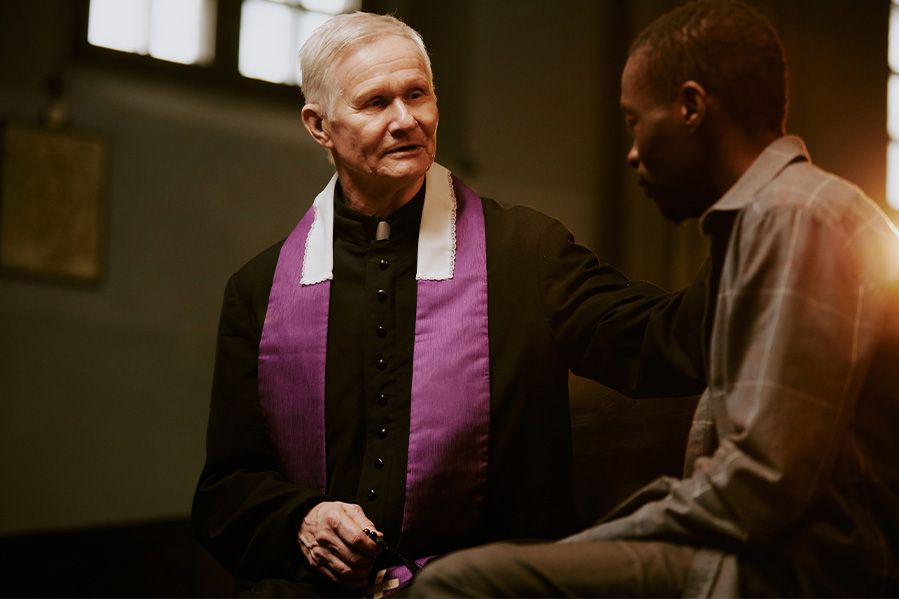
An ordained minister holds a position of great responsibility within religious communities, entrusted with spiritual guidance, teaching, and leadership. While the specific duties of ordained ministers may vary across different faith traditions and denominations, their role is rooted in the calling to serve others, to shepherd their spiritual journey, and to perform religious rites and sacraments. This article explores the core responsibilities of an ordained minister and highlights how this sacred role influences both the minister’s life and the faith community they serve.
1. Spiritual Leadership and Teaching
One of the primary roles of an ordained minister is that of a spiritual leader. Ministers are often seen as guides who help individuals and communities navigate their faith, offering wisdom, teaching, and encouragement. In this capacity, ministers lead congregations in worship services, prayer, and religious education. They are responsible for interpreting scripture and offering theological insights that help their congregants understand their faith more deeply.
Preaching and teaching are central components of this role. Ministers typically deliver sermons or homilies during worship services, offering reflections on scripture that apply to the everyday lives of their congregants. These messages often address spiritual growth, moral guidance, and how to live in alignment with the values and principles of the faith. Ministers must balance the theological depth of their teachings with practical relevance, making sure their congregation can connect religious concepts to their personal and communal experiences.
Beyond formal worship, ordained ministers often lead religious studies, religious education classes, and discussion groups. They play a crucial role in educating both children and adults about their faith, helping individuals deepen their understanding of sacred texts, traditions, and theological principles. Through teaching, ministers empower their communities to grow spiritually and live out their faith more fully in their daily lives.
2. Pastoral Care and Counseling
Another key responsibility of an ordained minister is providing pastoral care and counseling. Pastoral care involves offering emotional and spiritual support to individuals and families, particularly during times of crisis, grief, illness, or personal difficulty. Ministers are often called upon to be present with people in moments of deep sorrow or joy—whether at a hospital bedside, during a funeral, or at a wedding.
Ministers provide counseling for a wide range of issues, including marriage and family problems, personal faith struggles, grief and loss, and moral dilemmas. Although not all ministers are trained counselors, many offer guidance and spiritual wisdom to help individuals navigate challenging life situations. In some cases, ministers may refer people to professional counselors or therapists, while continuing to offer spiritual support and prayer.
Pastoral care is rooted in the minister’s role as a shepherd, providing compassionate guidance and ensuring the well-being of the flock. This role requires empathy, active listening, and a deep understanding of human emotions and experiences. Ministers often walk alongside individuals and families during their most vulnerable times, offering a source of comfort and hope grounded in faith.
3. Performing Sacraments and Religious Rites
Ordained ministers are often given the responsibility of administering sacraments or religious rites that are central to the life of the faith community. These rites can include ceremonies such as baptism, communion (Eucharist), weddings, funerals, and confirmations. The specific sacraments and rites vary depending on the religious tradition, but they typically represent important milestones in the spiritual lives of believers.
For example, in many Christian traditions, baptism is seen as a sacrament that welcomes individuals into the faith community, symbolizing the washing away of sin and the beginning of a new life. Ordained ministers officiate baptisms, guiding the individual or family through the ritual and ensuring that it is conducted according to the theological teachings of the church.
Similarly, ministers perform weddings, blessing the union of two individuals in the context of their faith. They also conduct funeral services, offering comfort to grieving families and celebrating the life of the deceased within the framework of their religious beliefs. These sacraments and rites provide structure and meaning to significant life events, and ministers are entrusted with leading them in a way that honors both the traditions of the faith and the needs of the people they serve.
4. Community Leadership and Administration
In addition to their spiritual and pastoral roles, ordained ministers often serve as leaders within their faith communities. This can involve overseeing the day-to-day operations of a church or religious organization, managing staff, coordinating programs, and handling administrative responsibilities. In many cases, ministers work closely with church boards, elders, or deacons to ensure that the congregation’s spiritual and practical needs are met.
Ministers may be responsible for organizing community outreach initiatives, charity work, or social justice programs. They often play a central role in building and sustaining the congregation’s mission and vision, helping to define the direction and focus of the church’s efforts in the wider community. This aspect of ministry requires strong organizational and leadership skills, as well as the ability to inspire and mobilize others to work together for the common good.
Furthermore, ministers are often seen as representatives of the church or religious organization in the broader community. They may engage in interfaith dialogue, participate in civic events, or collaborate with other religious leaders to address community issues such as poverty, education, or racial reconciliation. In this way, ministers serve not only their own congregations but also contribute to the spiritual and social well-being of the wider society.
5. Personal Spiritual Growth and Accountability
While ministers are entrusted with the spiritual care of others, they are also called to nurture their own spiritual lives. Being a minister requires a deep and ongoing personal relationship with one’s God(s), as well as a commitment to personal spiritual growth. This involves regular prayer, study of scripture, and participation in spiritual practices that sustain their faith.
In many religious traditions, ordained ministers are also held to high ethical and moral standards. They are expected to lead by example, living out their faith in a way that reflects the values of their religious community. Ministers are often held accountable to their congregation, their denomination, or a governing body to ensure that they are fulfilling their responsibilities with integrity, humility, and dedication.
The role of an ordained minister is multifaceted and deeply significant, encompassing spiritual leadership, pastoral care, sacramental duties, community engagement, and personal spiritual growth. Ministers serve as guides and shepherds to their faith communities, helping individuals navigate their spiritual journeys while also providing support during life’s most challenging moments. Through teaching, counseling, and leadership, ministers foster a sense of purpose, belonging, and connection within their congregations, ensuring that faith is not just a belief system but a lived experience that shapes every aspect of life.
Add Your Comment