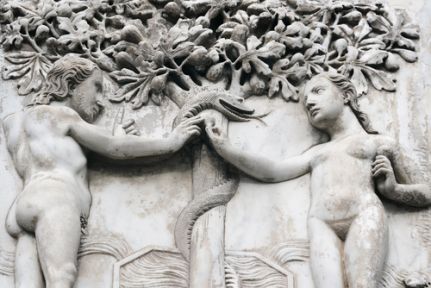
 The Fall of Adam, often referred to as "original sin," is a fundamental concept in Christian theology that describes the transition of the first humans, Adam and Eve, from a state of innocent obedience to God to one of guilty disobedience. This event is crucial to understanding the Christian doctrine of sin and salvation, and it plays a significant role in the sacrament of baptism. This blog explores the story of the Fall, its implications for humanity, and how it establishes the theological basis for the practice of baptism within the Christian faith.
Understanding the Fall of Adam
According to the biblical narrative in the Book of Genesis, Adam and Eve lived in the Garden of Eden and were allowed to eat from every tree in the garden except the tree of the knowledge of good and evil. Tempted by the serpent, Eve ate the fruit from the forbidden tree and gave some to Adam, who also ate. This act of disobedience broke their direct relationship with God, introducing sin and death into the world. This event is commonly referred to as the Fall because it represents the fall from grace, the loss of Eden, and the beginning of human moral struggle.
Theological Implications of the Fall
The Fall is considered by many Christian denominations to have a cosmic effect, corrupting the nature of humanity and severing the intimate connection humans once shared with God. It introduced the concepts of moral and physical decay into the human experience, necessitating divine intervention for redemption and reconciliation. This notion of inherent sinfulness is central to the doctrine of original sin, which posits that all humans are born into the sinful condition that originated with Adam and Eve's disobedience.
Baptism as a Response to Original Sin
Baptism is one of the oldest and most important rituals in Christianity, symbolizing the washing away of sin and the rebirth of the baptized into a new life in Christ. The link between baptism and the Fall of Adam lies in the belief that baptism addresses the stain of original sin inherited from Adam. For many Christian traditions, particularly those that practice infant baptism, this sacrament serves as a cleansing rite that removes original sin and initiates individuals into the Christian community.
Scriptural Basis for Baptism Related to the Fall
Several passages in the New Testament reinforce the idea of baptism as a response to original sin. The Apostle Paul, in his letters, frequently discusses how through one man sin entered the world and how through one act of righteousness, referring to Jesus Christ’s death and resurrection, salvation is offered to all. Baptism, then, is seen as a participant's personal sharing in Christ's death and resurrection, symbolizing death to sin and a new birth in the Spirit. Romans 6:3-4 and Colossians 2:12-13 are often cited to explain how baptism represents a spiritual resurrection from the state of sin.
Baptism in Different Christian Traditions
The interpretation and practice of baptism vary among Christian denominations. Catholic, Orthodox, and many Protestant churches endorse infant baptism, emphasizing baptism’s role in cleansing original sin. These traditions hold that baptism should not be delayed because it grants the grace necessary to live a Christian life. Conversely, other Protestant groups, like Baptists and Pentecostals, practice believer's baptism, which emphasizes personal accountability and the individual’s decision to follow Christ, typically performed when the individual is old enough to consciously understand their faith.
The Enduring Legacy of the Fall in Christian Practice
The story of the Fall of Adam and its implications continue to be a cornerstone of Christian theology, profoundly influencing the doctrine and practice of baptism. By linking human nature directly to this seminal event, baptism is imbued with deep theological significance, representing not just purification from sin but also a reorientation towards a life in communion with God. Whether viewed through traditional or more modern interpretations, the connection between the Fall and baptism highlights the ongoing relevance of these ancient teachings in contemporary religious life.
Add Your Comment