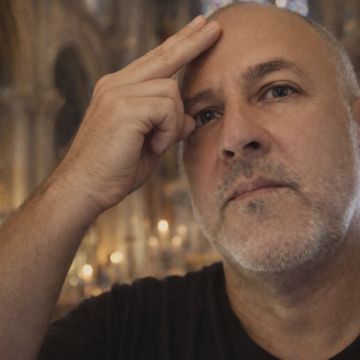
Luis Antonio Scaccabarrozzi
Ordained Minister in Bronx, New York
Why did you originally become an ordained minister online?
I chose to become ordained online as an extension of both my personal spiritual journey and my commitment to communities that have too often been pushed to the margins. My faith has always been shaped less by institutions and more by lived experience—walking alongside people navigating poverty, stigma, exclusion, and systems that were never designed with them in mind. I’ve long felt a pull toward priesthood—not in the traditional, hierarchical sense, but as a form of service rooted in presence, accompaniment, and accountability to those most vulnerable. My understanding of faith is deeply influenced by liberation theology, which centers the idea that spirituality must be lived through justice, dignity, and the uplift of oppressed communities. In that framework, ministry is not about authority—it’s about solidarity. For me, ordination was a way to formalize that commitment. It allows me to show up for people in meaningful moments—whether that’s affirming love through marriage, holding space in times of grief, or simply being a trusted presence. I believe deeply in who Jesus represented: someone who stood with the poor, challenged systems of exclusion, and embodied compassion without condition. This path gives me the ability to practice a ministry that aligns with those values—one that is inclusive, grounded in justice, and responsive to the realities people are living every day.
Where are you from?
I come from a life shaped by movement, resilience, and community across places that have each left a deep imprint on who I am and how I see the world. I was raised in Peru, where life, even with limited resources, was rich in connection. I grew up surrounded by family—grandparents, aunts, uncles, cousins—where love, presence, and collective care mattered more than anything material. Those early years grounded me in the belief that dignity isn’t tied to wealth, and that community is one of the most powerful forms of survival and healing. My time in Chicago exposed me to a different kind of reality—one marked by stark inequities, especially in communities of color and immigrant populations. It was there that I began to more deeply understand systemic barriers and the ways in which access to health, education, and opportunity are unevenly distributed. Chicago helped shape my awareness and commitment to social justice, pushing me to not just observe disparities, but to engage with them. Living and working in New York City further expanded that perspective. NYC is complex—vibrant and diverse, yet still deeply stratified. My work there, especially with communities impacted by HIV, poverty, and marginalization, has reinforced my belief that leadership and service must be grounded in humility, cultural understanding, and real accountability to the people most affected. Beyond these places, my travels throughout Latin America have been equally formative. Moving through different countries and cultures, I’ve seen both the shared struggles and the incredible resilience across communities—how history, identity, and resistance shape everyday life. Those experiences deepened my connection to my roots and broadened my understanding of what it means to live, work, and serve across borders. All of these places—Peru, Chicago, New York, and Latin America more broadly—have shaped not just where I’m from, but how I move through the world: with a strong sense of purpose, a commitment to equity, and a deep respect for the lived experiences of others.
What do you hope to achieve with your online ordination?
What I hope to achieve with my online ordination is to live out a form of ministry that is grounded in presence, dignity, and justice—especially for those who are too often unseen or excluded. At its core, this isn’t about a title; it’s about creating space. I want to be able to show up for people in meaningful moments—whether that’s officiating a wedding that affirms love in all its forms, accompanying someone through grief, or simply being a trusted, nonjudgmental presence in times when people feel alone or disconnected. Too many individuals, particularly those from vulnerable and marginalized communities, have experienced harm or rejection from traditional religious institutions. I want to be part of something different. My hope is to practice a ministry that reflects the values I believe Jesus embodied—standing with those on the margins, challenging exclusion, and leading with compassion and humility. Influenced by liberation theology, I see ministry as something active and lived: advocating for equity, affirming people’s humanity, and helping restore a sense of worth and belonging. I also hope to bridge worlds—bringing together my professional experience in public health, social justice, and community-based work with a spiritual framework that speaks to healing, purpose, and connection. Whether in formal ceremonies or everyday interactions, I want my ordination to be a tool for accompaniment—for walking alongside people as they navigate life, not from a place of authority, but from shared humanity. Ultimately, I hope to help create moments where people feel seen, affirmed, and connected—to themselves, to others, and to something greater.
Religious Affiliations
Catholicism, Christianity, Spiritualism
Additional Information
Yes—my religious affiliation is best understood as rooted, but not confined. I was formed within the Catholic tradition, and that foundation still shapes my spiritual language, my sense of ritual, and my understanding of service. At the same time, my journey has led me beyond institutional boundaries into a more expansive and inclusive expression of faith. My theology is deeply influenced by liberation theology—the belief that faith must be lived through justice, dignity, and a preferential option for those who are poor, marginalized, or excluded. In that sense, my affiliation is not tied to a single denomination as much as it is aligned with a way of living out the Gospel. I also draw from diverse spiritual perspectives, particularly those rooted in Latin American culture and community-based traditions, where faith is not separate from daily life but woven into relationships, resilience, and collective care. Because of that, I am able to serve people across different beliefs and backgrounds—whether they identify as religious, spiritual, questioning, or unaffiliated. My role is not to define faith for others, but to help create space where their own beliefs, values, and experiences are honored. At the center of it all is a commitment to a faith that is inclusive, justice-oriented, and grounded in love, compassion, and human dignity.
Are there particular areas near you where you prefer to travel or have special experience?
I’m based in the New York City metro area, just across the river in Hoboken, and I regularly serve clients throughout New York City and Northern New Jersey. Being in this region allows me to work across an incredibly diverse set of communities, cultures, and traditions, which deeply aligns with the kind of inclusive and people-centered ministry I strive to offer. I have particular experience traveling and working in areas like The Bronx, where much of my professional and community-based work has been rooted, especially with communities impacted by health disparities, immigration challenges, and economic inequities. I’m also very familiar with Manhattan, Brooklyn, and parts of Queens, where I’ve supported events, community gatherings, and ceremonies. Beyond NYC, I’m open and accustomed to traveling throughout the broader tri-state area—including parts of New Jersey, Westchester, and Long Island—depending on the needs of the individuals or families I’m working with. In addition, I bring a broader cultural and regional understanding shaped by my background in Peru and my travels throughout Latin America. This allows me to connect meaningfully with Spanish-speaking families and multicultural communities, and to incorporate culturally relevant elements into ceremonies when desired. Ultimately, I’m flexible and willing to travel where needed—especially when it means being present for meaningful moments in people’s lives.
Types of Service Offered
House Blessings, Spiritual Healing, General Ministry, Spiritual Guidance
Additional Information
Yes—what I offer as a minister is intentionally grounded in flexibility, cultural humility, and a deep respect for each person’s lived experience. I provide inclusive, personalized ceremonies—weddings, commitment ceremonies, memorials, and life blessings—that are co-created with the individuals and families I serve. I take time to understand their story, their values, and what meaning they want the moment to hold. Whether someone is spiritual, religious, both, or neither, I meet them where they are without judgment. Beyond ceremonies, I offer pastoral presence and support. That can look like one-on-one conversations, reflective guidance, or simply holding space during moments of transition, grief, or uncertainty. My approach is not prescriptive—I don’t impose beliefs—but instead focuses on listening, affirming, and helping people reconnect with their own sense of purpose and dignity. A core part of my ministry is also serving communities that have often been excluded—including LGBTQ+ individuals, people impacted by incarceration, immigrants, and those navigating stigma or systemic barriers. I strive to create spaces where people feel safe, seen, and affirmed, especially if they’ve had negative experiences with traditional religious institutions. I also bring a holistic lens shaped by my work in public health and social justice, recognizing that spiritual well-being is deeply connected to social conditions. When appropriate, I help connect people to resources, community networks, or supportive services—because care doesn’t end with a ceremony. Ultimately, the services I provide are less about formality and more about accompaniment—walking alongside people in meaningful moments of their lives with authenticity, compassion, and respect.