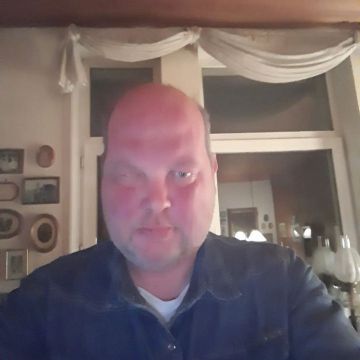
Sven Normen Esslinger
Ordained Minister in Hannover, Niedersachsen
Why did you originally become an ordained minister online?
Why I Originally Became an Ordained Minister Online
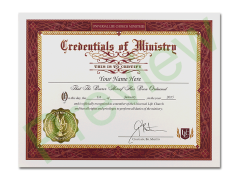
The short answer is because it aligned perfectly with my deepest belief: that the authority to minister, to bless, and to serve the sacred moments in others' lives comes not from an institution, but from a genuine calling of the heart.
When I sought ordination, I was looking for a path that honored a few key truths about my own spirituality and the world I see:
To Remove Barriers to Service. I believe that spiritual care and solemnization shouldn't be gatekept by lengthy seminaries, doctrinal tests, or financial hurdles. The online ordination with the ULC was a powerful affirmation that my sincere desire to serve was the most important credential. It was a democratic, accessible door opening to a ministry defined by actions, not academic pedigree.
To Honor the Sacred in Everyday Relationships. Most likely, I had a specific need—to officiate the wedding of a loved one. Perhaps it was friends or family members who didn't see their beliefs, their love, or their unique selves fully reflected in traditional institutions. Becoming ordained online allowed me to meet them exactly where they were, to craft a ceremony that was authentically theirs. It was ministry born of personal connection, not geographical parish.
To Uphold a Theology of Radical Inclusion. The ULC's core tenet to "Do only that which is right" resonates deeply. My original motivation was rooted in a conviction that love, compassion, and milestones of life are sacred, regardless of the belief system, orientation, or background of the individuals involved. The online process itself felt like a testament to that inclusivity—a church that exists to empower, not to exclude.
To Embrace a Ministry of Deeds Over Creeds. I was drawn to a concept of ministry that is active and practical. It’s less about propagating a specific dogma and more about facilitating healing, celebrating joy, and bearing witness to human experience—whether that's through weddings, funerals, moments of blessing, or simply being there for someone in need. The online ordination was the tool that legally and spiritually empowered me to step into that role immediately.
In essence, I didn't become ordained online because it was easy (though it was accessible). I became ordained online because it was meaningful. It was a conscious choice to participate in a spiritual tradition that trusts the individual's conscience, that values lived love over inherited doctrine, and that sees the internet not as a diminished space for faith, but as a modern tool to fulfill the ancient commandment: to love and to serve one another.
The credential came from the web, but the calling—and the ministry—comes from a much deeper source.
I believe in God!
Where are you from?
Hanover, Germany
What do you hope to achieve with your online ordination?
As a Reverend ordained through the Universal Life Church, my hope for our online ordination ministry extends far beyond the simple conferral of a title. It is a gateway to fulfilling profound human and spiritual needs in a modern, often disconnected world. Here is what I, and many of us, hope to achieve:
Democratizing Spiritual Authority: We believe that the call to ministry isn't reserved for a select few who undergo decades of seminary. It can arise in anyone who feels a deep desire to serve, comfort, and celebrate with their community. Online ordination removes traditional barriers, allowing the compassionate friend, the thoughtful community organizer, or the caring family member to legally and officially provide spiritual care. We hope to empower people to be ministers in their own circles.
Sanctifying Life's Milestones: Our core achievement is allowing individuals to infuse their most important moments with personal meaning and authenticity. We hope to enable a couple's best friend to legally marry them in a ceremony that truly reflects them, or for a family member to officiate a loved one's funeral with intimate tenderness. It’s about making these rites personal, not performative.
Building a Decentralized Ministry of Service: We are not building a single congregation, but a vast network of grassroots ministers. Each ordained person becomes a point of light and service in their own community—visiting the sick, counseling the troubled, or simply being a legally recognized vessel for compassion. We hope to create an "everywhere ministry" that meets people where they are.
Upholding the Central Tenet: "Do Only That Which Is Right." Our online ordination is not a theological directive but an ethical empowerment. We provide the legal framework, but we trust and hope that each minister will use their standing to promote love, justice, and compassion. The goal is to multiply the number of people in the world officially dedicated to "doing what is right."
Fostering Inclusivity and Healing: In a world often divided by religious dogma, we offer a non-creedal, inclusive path. We hope to provide a spiritual home for those who feel marginalized by traditional institutions, allowing them to perform ministry without requiring them to subscribe to a specific doctrine. It’s a ministry of radical acceptance.
Adapting Spirituality for the Modern Age: The internet is our pulpit, not to replace human connection, but to facilitate it. We hope to use technology efficiently to ordain, equip, and connect a global community of like-hearted individuals, then send them out to do the tangible, face-to-face work of ministry in the physical world.
In essence, we hope to achieve a reclamation of the sacred by the people. We believe the authority to bless, marry, bury, and counsel should be accessible to those whose lives naturally embody these principles. Our online ordination is the tool that legally and spiritually authorizes that everyday, profound ministry.
May the work we enable always be rooted in love and service.
Reverend Sven Normen Esslinger Universal Life Church
Religious Affiliations
Christianity
Additional Information
As a Reverend of the Universal Life Church, my perspective on Christianity is shaped by our core tenets of "Do only that which is right" and the profound respect for the individual freedom of belief that our church celebrates.
I affirm Christianity as a deep and meaningful path within my spiritual life—one that informs my reverence for the teachings of Jesus Christ, particularly the imperative to love one's neighbor, serve the marginalized, and seek justice. The Christian narrative provides a powerful framework for grace, redemption, and compassionate action in the world.
However, within the Universal Life Church, my affiliation is understood as a chosen and dynamic aspect of a broader spiritual identity. Our ministry does not require adherence to a single doctrine, but rather encourages the sincere exploration of truth from all sources. Therefore, my Christianity coexists with a deep respect for the wisdom found in other traditions and a commitment to the absolute freedom of conscience for every individual.
In practice, this means I may draw upon Christian scripture and liturgy while officiating a ceremony, but always within a context that honors the unique spiritual paths of those I serve. My ultimate allegiance is not to a denomination, but to the promotion of love, peace, and ethical living—values I find powerfully expressed in Christianity, yet which are universal in their call.
In short, I share that my Christianity is voluntary, non-exclusive, and service-oriented. It is a vital part of my journey, perfectly aligned with the ULC's mission to empower ministers to define their own creed and to facilitate the sacred moments in people's lives without dogma or division. My ordination is a tool to bless others, grounded in Christian love but extended universally.
May your own path continue to be guided by truth and compassion.
What do you think makes your ceremonies special as a Hannover, NI wedding officiant?
As a Reverend of the Universal Life Church, I believe what makes my ceremonies special stems from the unique intersection of our church's philosophy and the deeply personal nature of the commitment being made.
Here is a summary of the key points that I would emphasize:
Radical Inclusivity as a Sacred Principle: The ULC's core tenet that "We are all children of the same universe" isn't just a slogan; it's the theological foundation of my practice. This means ceremonies are free from dogma or exclusion. I actively honor and incorporate diverse beliefs, spiritualities, cultures, and identities, making each couple feel seen and sanctified for exactly who they are. This inclusivity isn't an add-on; it's the sacred space itself.
Co-Creation: The Ceremony as a Reflection of the Couple's "Sacred Story": I don't deliver a standard script. I act as a guide and collaborator to help a couple uncover and articulate their own sacred story—their values, inside jokes, struggles overcome, and hopes for the future. The ceremony becomes a authentic mirror of their unique bond, weaving together readings, rituals, and language that resonate with their souls, whether that includes elements from nature, fandom, traditional vows, or entirely new creations.
The Sanctity of Personal Truth Over Tradition: While I deeply respect tradition, I hold that the highest form of sanctity is truth. A ceremony is special when it prioritizes the couple's authentic truth over external expectations. This might mean celebrating a quiet elopement in a forest with the same solemn joy as a large family wedding, or transforming a "giving away" into a "community of support" blessing. The legal declaration is important, but my primary role is to consecrate the personal, heartfelt commitment in a way that feels divinely honest to them.
Holding a Container of Intentional Love: On the day itself, my special role is to be the calm, centered presence who holds the container for the ceremony. I focus the energy, remind everyone of the profound step being taken, and ensure the space—whether a beach, backyard, or living room—feels consecrated by the weight of the promise and the lightness of love. I am not the star; I am the steward of their moment, ensuring it unfolds with reverence, authenticity, and a touch of grace.
In essence, what makes it special is that I provide the spiritual authority and ceremonial framework, but the couple provides the soul. Together, we build a bridge between the legal reality of marriage and the divine, personal truth of their union, all under the universal blessing of love itself.
In a nutshell: I help couples write their own scripture for one of life's most sacred chapters, and then I have the profound honor of pronouncing it into being.
Are there particular areas near you where you prefer to travel or have special experience?
Germany
Types of Service Offered
Marriages, Renewal of Vows, Handfastings, Baptisms, Christenings, House Blessings, Exorcisms, Spiritual Healing, Reiki Healing, Premarital Counseling, General Ministry, Spiritual Guidance
Additional Information
Of course. As a Minister of the Universal Life Church, the services I provide are rooted in a core, non-dogmatic principle: to meet people where they are on their spiritual journey and sanctify the meaningful moments of human life with authenticity, love, and legal recognition.
Beyond the well-known weddings, here’s what I wish to share about the heart of this ministry:
Ministry of Presence Over Doctrine: My primary service is a ministry of presence. I am not there to represent a specific theology, but to be a grounded, compassionate, and non-judgmental witness. Whether it's at a hospital bed, a celebrant role for a unique life transition, or a community gathering, my role is to hold sacred space for your beliefs, not impose your own.
Ritual Creation for a Diverse World: We live in a beautifully complex tapestry of beliefs, relationships, and family structures. A key service is co-creating personalized ceremonies that truly reflect the individuals involved. This could be a wedding blending different cultures and faiths, a "welcoming ceremony" for a new child in a secular or interfaith family, a celebration of life that honors a unique spirit, or a rite of passage for a personal transformation. The ceremony is a vessel for your meaning.
Legal Accessibility with Spiritual Integrity: The ULC ordination provides the legal authority to perform acts like marriages. I see this as a profound service of accessibility. It allows me to serve couples, families, and individuals who may feel alienated by traditional institutions—whether they are spiritual but not religious, interfaith, or simply desire a ceremony free from dogma. The legal function is paired with a deep commitment to the spiritual gravity of the moment.
Chaplaincy to the Community: This ministry often extends into informal community chaplaincy. This might be offering a blessing for a community garden, leading a moment of reflection at a nonprofit event, or providing compassionate listening and counsel (within my scope) to those in need, without an agenda to convert. The service is to the human spirit, as it is expressed in your community.
Upholding the Solemnity of the Office: While the ULC has an open door, I take the responsibilities of the office with great seriousness. Professionalism, preparation, and pastoral care are the cornerstones of how I provide services. This includes thorough pre-ceremony consultations, clear communication, adhering to legal requirements, and being a calming, dependable presence on an important day.
In essence, the service is to be a flexible conduit for grace and meaning. My aim is to help individuals and communities name, celebrate, and mourn in ways that resonate with their deepest truths, all while providing the structure, legality, and solemnity these moments deserve.
I am here not to lead people to a specific path, but to help them walk their own with a sense of sanctity and recognition.